







Search Results for: espresso dilution

The Complete Guide to Iced Americano Water-to-Ice Ratios: A Proportional Guide from Espresso Dilution to Ice Selection
Making iced Americano is not simply pouring espresso into ice water—the amounts of water and ice and the dilution ratio all directly affect the final flavor. Drawing on the serving practices at Front Street Coffee, this article explores in detail the water-to-espresso ratios suited to beans of different roast levels, as well as how ice cube size and melting speed influence coffee strength and the drinking experience. Whether you prefer it bold or refreshing, you'll find ideas here for adjusting your iced Americano, so you can combine the flavor characteristics of your beans with your personal taste habits to craft your own ideal cup. [more…]
What Is the Connection Between Espresso and Americano? A Full Analysis of the Origin Story, Water-to-Coffee Ratio, and Flavor Differences
Espresso and Americano come from the same coffee machine and both belong to the category of black coffee, yet the drinking experience is vastly different. This article begins with the birth of espresso during Italy's industrial era, recounts the amusing story of how American soldiers created Americano by adding water, and uses Front Street Coffee's "Warm Sun" espresso blend as an example to analyze the espresso parameters of 20g of grounds extracted to 40g under 9 bars of pressure and 92°C water temperature, the traditional 1:8 dilution ratio, and the 1:4.5 dilution scheme adopted by Front Street Coffee to highlight the vinous aroma and soft acidity, guiding you through the origins and flavor differences of these two classic black coffees. [more…]
From WWII Diluted Coffee to Iced Americano Recipe: The Origin, Preparation, and the Debate Over Keeping the Crema of Americano
Americano may seem simple, yet it hides quite a few intricacies. It originated during World War II, when American soldiers diluted espresso with warm water, and today it has become a staple on coffee shop menus worldwide. This article starts with the definition and origins of Americano, clarifies the differences between the two mainstream approaches—Americano and Long Black—and discusses the controversy over extracting a weak coffee through prolonged water flow. In the practical section, it focuses on the specific ratios for iced and hot Americanos, including Front Street Coffee's extraction parameters and recommended methods, and finally explores an interesting question: Would Americano taste better if the crema were scraped off? [more…]
A Comprehensive Analysis of Americano: From Drip to Dilution, Another Interpretation of Espresso
Americano may seem simple, yet it embodies a rich coffee culture and brewing craftsmanship. It can be black coffee made with a drip brewer, or espresso diluted with hot or cold water. From the amusing story of American GIs during World War II diluting Espresso with warm water, to Starbucks driving its global popularity today, Americano has become one of the drinks that most tests a barista's extraction skills in a café. This article will guide you through the origins of Americano, its definition, regional variations in preparation, and Front Street Coffee's specific parameters and recommendations for making hot and iced Americanos. Whether you prefer the floral and fruity notes of a light roast, the balance of a medium roast, or the chocolate flavors of a dark roast, you'll find the cup that suits you in this article. [more…]

Iced Americano Mixing Guide: The Golden Ratio of Espresso to Iced Water and Practical Tips
Iced Americano is a classic drink for cooling down and refreshing yourself in summer. It seems like a simple mix of espresso, water, and ice, but in reality, there is a science to the ratios. Drawing on Front Street Coffee's experience, this article provides a detailed analysis of water-dilution schemes for coffee beans of different roast levels, explores how ice melting speed affects flavor, and offers a set of practical mixing techniques that require no complicated calculations. Whether you prefer a rich or a light taste, you can find an iced Americano method that suits you, making every cup just right. [more…]
How to Tell Espresso, Americano, and Black Coffee Apart? A Thorough Explanation from Extraction Principles to Front Street Coffee's Brews
Walking into a café, you watch the barista lock the portafilter onto the machine and press the extraction button. The same dark liquid flows out—so why is one called espresso, another americano, and yet others lumped together as black coffee? The differences behind these names actually trace back to the origins of extraction and the logic of adjusting strength and flavor. This article begins with the birth of espresso, explaining how it became the cornerstone of the modern coffee shop, then traces the history of americano as espresso diluted with water, and explores how, in the context of contemporary specialty coffee, the ratio of espresso to water shapes the performance of a cup of black coffee. It also uses Front Street Coffee's Warm Sun Espresso Blend as an example, providing espresso extraction parameters and americano dilution ratios to help you more precisely find the flavor you enjoy, whether at home or in a café. [more…]
Espresso Diluted with Water vs. American Drip Machine: Differences Between Two American Coffee Brewing Methods and a Guide to Choosing Drip Coffee Beans
As the most common coffee beverage in daily life, Americano actually has two completely different preparation paths: one is the Americano made in coffee shops by diluting espresso with water, and the other is the Americano extracted directly using a drip coffee maker in home or office settings. Front Street Coffee will break down the differences between these two methods from the aspects of brewing principles, equipment requirements, operating procedures, and flavor performance, while also explaining the specific steps for using a drip coffee maker and offering selection suggestions for coffee beans from different origins, helping coffee lovers find the cup that suits them. [more…]
How to distinguish between a Long Black, a Lungo, and an Americano? Production and flavor comparison of three black coffees
Facing Long Black, Lungo, and Americano on the menu, many coffee lovers often can't tell them apart. Although they are all black coffee, their preparation methods and flavor profiles each have their own merits. Long Black is the Australian's unique interpretation of espresso diluted with water, with a smaller cup size and a richer taste; Lungo is an extended espresso obtained by lengthening the extraction time, with a more pronounced bitterness; and Americano is the product of American soldiers diluting espresso to suit their taste during World War II. This article will break down in detail the differences between these three black coffees from the aspects of historical origins, brewing parameters, crema performance, and drinking experience, and cite extraction examples from Front Street Coffee to help you make a clearer choice the next time you order. [more…]

Is Starbucks Americano Actually Bitter? A Full Analysis of the Flavor and Mouthfeel of Espresso Diluted with Water
Americano is the entry point into black coffee for many people, and Starbucks' Americano is often their very first cup. Some find it bitter, while others enjoy it thoroughly—so is Americano actually bitter? What factors influence its flavor and mouthfeel? This article starts with the sources of bitterness in Starbucks Americano, then traces the history and taste characteristics of Americano, and explains how to choose freshly roasted coffee beans and master the right extraction parameters to brew a cup that suits your own taste. It also draws on several espresso blends from Front Street Coffee to offer purchasing suggestions for different flavor preferences, making it a useful reference for coffee lovers. [more…]
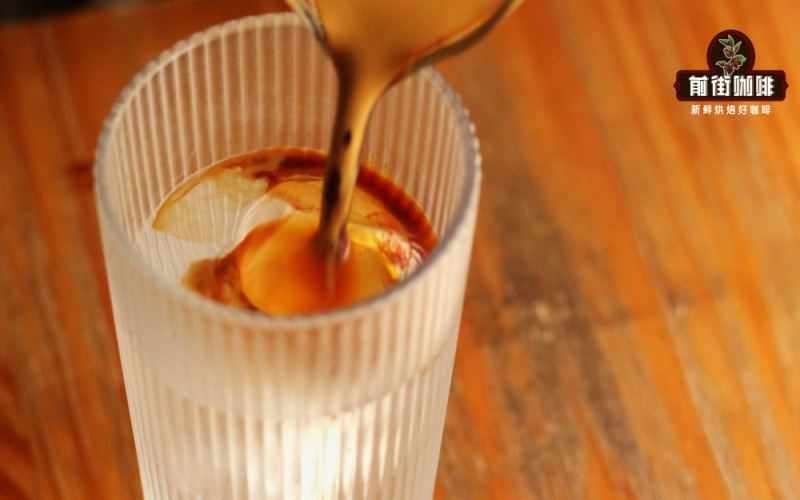
American Coffee Fat-Loss Guide | Can a Moka Pot Make Americano? Espresso Dilution Ratio and Brewing Method Explained
The essence of Americano is espresso diluted with water, and the strength can be flexibly adjusted according to personal preference, which is why it is described as "made to your liking." The key to determining the flavor direction of a cup of Americano lies in the blend beans used, with common combinations such as Brazil blended with Mandheling bringing bittersweet dark chocolate notes, while Colombia blended with Brazil presents a rich, smooth nutty chocolate aroma. Front Street Coffee offers four espresso blends—Warm Sun, Specialty, Commercial, and Black Cocoa—covering different profiles such as winey, nutty, full-bodied, and slightly acidic. In terms of preparation, an espresso machine can be used to extract 40g of liquid from 20g of grounds, or a moka pot can be used for home brewing. As for fat loss, drinking it within 30 minutes to 1 hour after a meal or having a cup before exercise can aid digestion and fat mobilization, but relying on black coffee alone is not advisable—it still needs to be combined with a healthy diet and regular exercise. [more…]

American Coffee vs. Latte: Flavor Characteristics Explained — From Espresso Diluted with Water to Blended with Milk, Which One Suits You Better?
Americano and latte are the two most common espresso-derived drinks in cafés: one presents the pure black coffee flavor of espresso diluted with water, while the other blends espresso with milk for a smooth sweetness. This article will start with the history of Americano, its advantages in alertness and value for money, the application of specialty beans, and Front Street Coffee's specific extraction scheme, then compare the origins, ratios, and preparation details of the latte, helping coffee lovers understand the differences between the two in taste, strength, and suitable occasions, so they can make a choice based on personal preference. [more…]
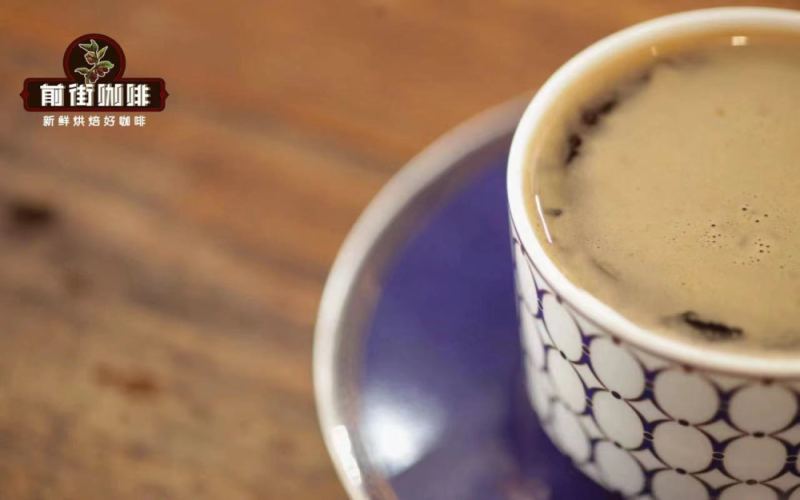
The Difference Between Short Black, Long Black, and Americano: From Espresso to Dilution, Understanding the Australasian Black Coffee System in One Go
They're all black coffee, so what exactly is the difference between a short black, a long black, and an Americano? The key actually lies in the amount of water used and the degree to which the crema is retained. A short black is simply an espresso with no added water, giving it the most concentrated flavor; a long black is made by pouring water first and then adding the espresso, which preserves the crema more completely and gives it a fuller mouthfeel; an Americano, on the other hand, involves adding a large amount of hot water to the espresso, making the overall drink lighter. This article will start from the preparation steps and ratios to sort out the differences between these three black coffees, and explain why the Australia-New Zealand region insists on using its own naming conventions. It will also introduce several Front Street Coffee espresso blends suitable for espresso extraction, helping you choose the right beans to make a cup of black coffee that meets your expectations. [more…]
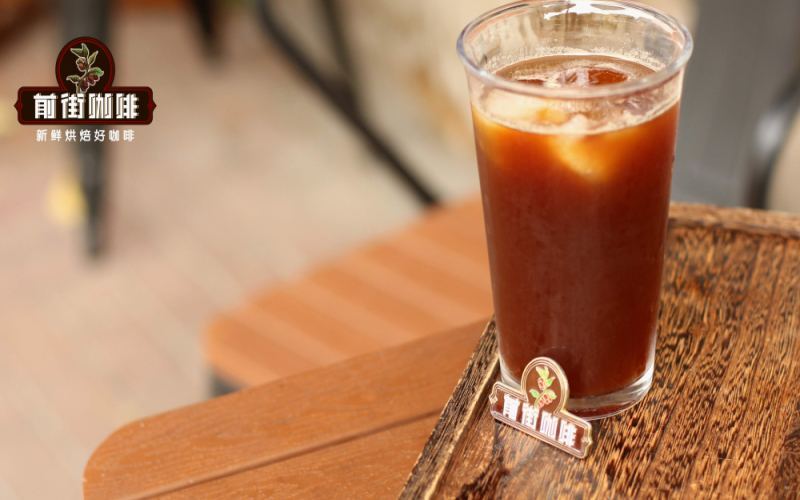
Can Iced Americano Only Be Made with an Espresso Machine? A Complete Guide to the Differences Between Iced Americano, Cold Brew, Ice Drip, Iced Pour-Over, and Black Coffee
The iced Americano that everyone holds a cup of in summer is actually not simply coffee left to cool. It is made by diluting espresso with iced water—zero calories, zero sugar, zero fat—refreshing, cutting through grease, and giving a caffeine boost. But many people also loosely call cold brew, ice drip, and iced pour-over "iced Americano," which causes confusion. These types of iced coffee differ noticeably in extraction principles, concentration, and flavor expression: iced Americano is richer and fuller thanks to the oils in espresso; cold brew and ice drip rely on low-temperature slow extraction to bring a round, slightly acidic taste; iced pour-over uses a high-concentration hot extraction and then cools and dilutes it, highlighting floral and fruity notes. This article will start with the production methods, sources of flavor, and bean selection, and will include Front Street Coffee's step-by-step iced Americano method along with several bean recommendations suitable for different iced coffees. [more…]

A Complete Analysis of the Americano Coffee Family: The Origins, Methods, and Differences of Americano, Long Black, and Lungo
Although all three are espresso diluted with water, Americano, Long Black, and Lungo each have their own distinct approach. Americano originates from the habit of WWII U.S. soldiers diluting Espresso, Long Black reflects Australians' insistence on rich flavor, while Lungo achieves a greater liquid volume by extending the extraction time. The three differ noticeably in water-adding sequence, water-to-coffee ratio, and cup size, ultimately presenting entirely different mouthfeel and crema performance. This article will break down the similarities and differences among these three black coffees from three dimensions—historical origins, preparation methods, and flavor characteristics—and share Front Street Coffee's specific parameters and blending approach when producing Americano and Long Black. [more…]
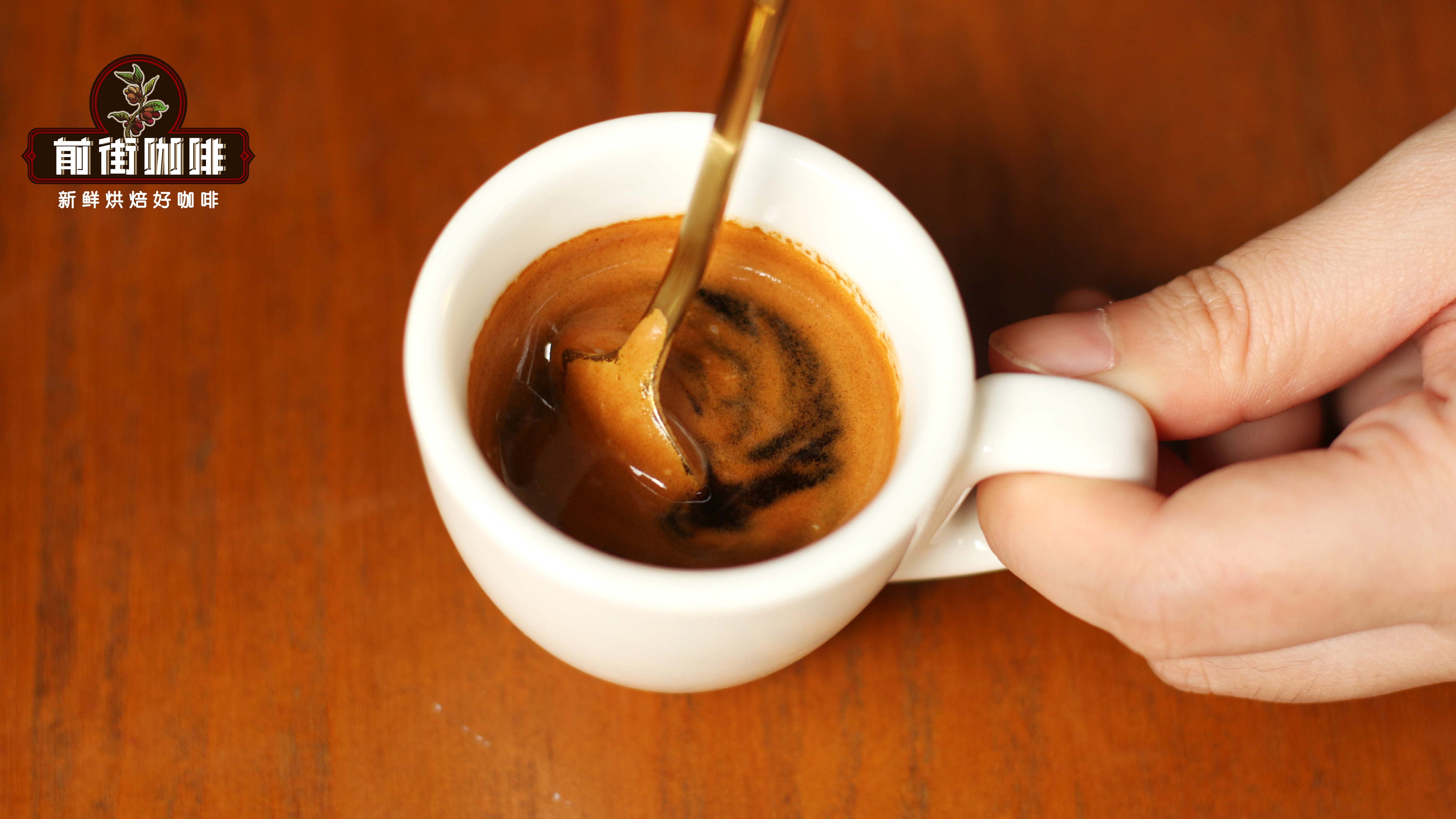
Analysis of Flavor Differences Between Espresso and Americano: Recommendations for Espresso Beans with Rich Crema
What exactly is the difference between espresso and Americano? The former is rich and intense, topped with a golden crema, while the latter is made by diluting espresso with water, resulting in a more balanced taste. In this article, from the perspective of Front Street Coffee, we will analyze in detail the definitions, preparation methods, and flavor characteristics of both, and recommend three espresso blend beans suitable for making Americano—including a classic espresso blend with rich crema, a Colombian Sidra with distinct fruity layers, and a balanced specialty espresso bean. We'll also include the extraction parameters for the Feima E98 espresso machine and common ways to enjoy espresso, helping coffee lovers fully understand the charm of Italian-style coffee. [more…]
The Origins and Evolution of Americano: From WWII GIs to Starbucks, Does It Really Count as Black Coffee?
Americano is now one of the most common drinks in coffee shops, but its origins are closely tied to World War II. Back then, American soldiers couldn't handle the intensity of Espresso, so they diluted it with warm water, and thus this way of drinking coffee was born. Later, Starbucks' global expansion truly brought Americano to the world. However, there has always been controversy over the definition and preparation of Americano: Is it black coffee? Is it reasonable to use an espresso machine for a long extraction to make a weak coffee? This article sorts out the historical context of Americano, compares two preparation approaches, and answers the question of its relationship with black coffee. If you are also curious about the past and present of the Americano in your cup, read on. [more…]
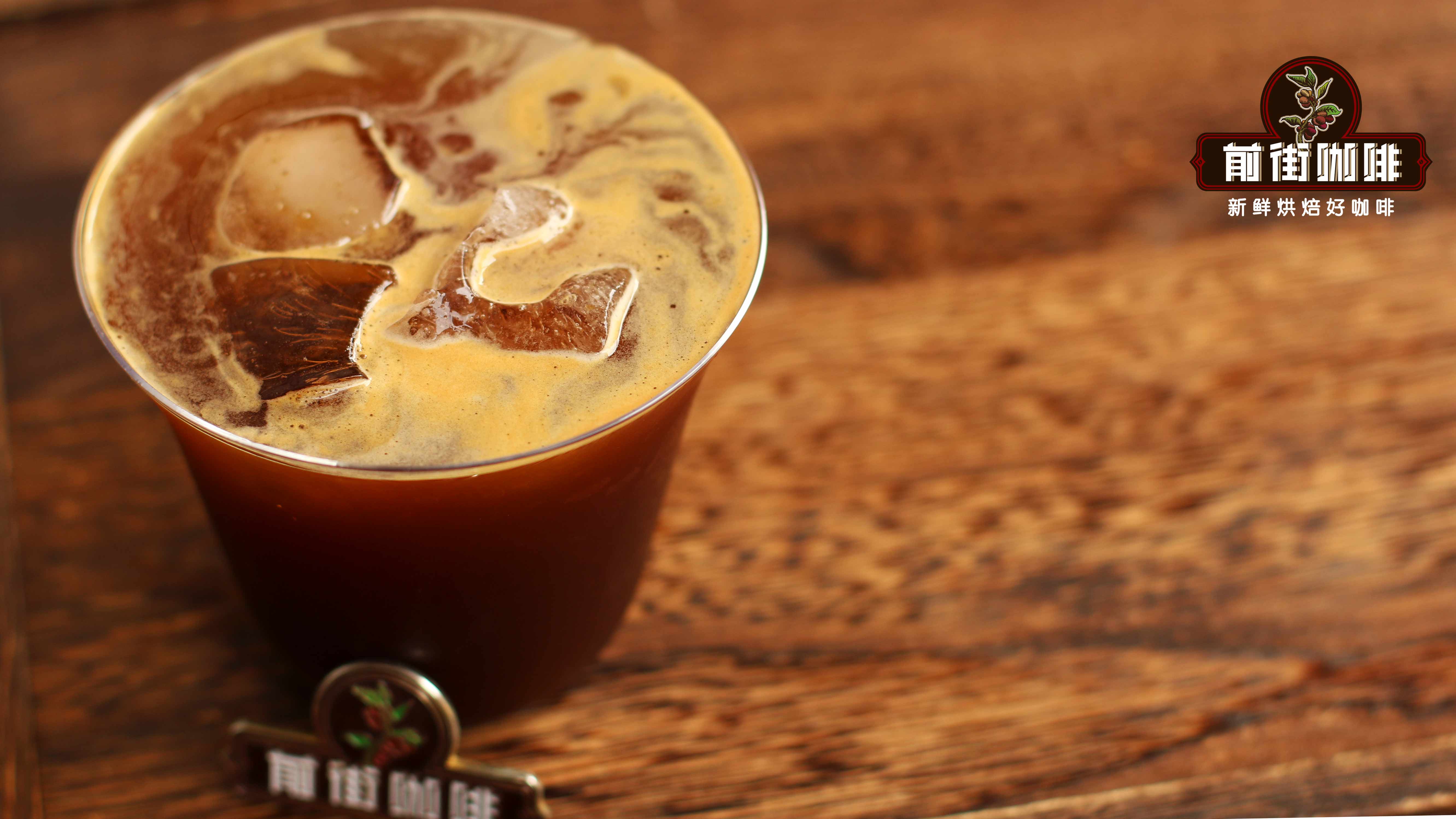
The Two Major Schools of Americano: Drip Brewing and Espresso Diluted with Water, A Full Analysis of Iced Americano Coffee-to-Water Ratios
How many ways are there to make an Americano? And what is its connection to drip machines and espresso? This article will trace the history of the Americano, break down the differences between the two brewing paths—drip and espresso diluted with water—and take a deep dive into Front Street Coffee's approach to water-to-coffee ratios for hot and iced Americanos. At the same time, we'll systematically go over espresso extraction standards, including key parameters such as dose, yield, and time, and include Front Street's complete in-store workflow and recommended recipes. Whether you prefer a rich, full-bodied cup or a light, refreshing one, you'll find the Americano that suits you in this article. [more…]
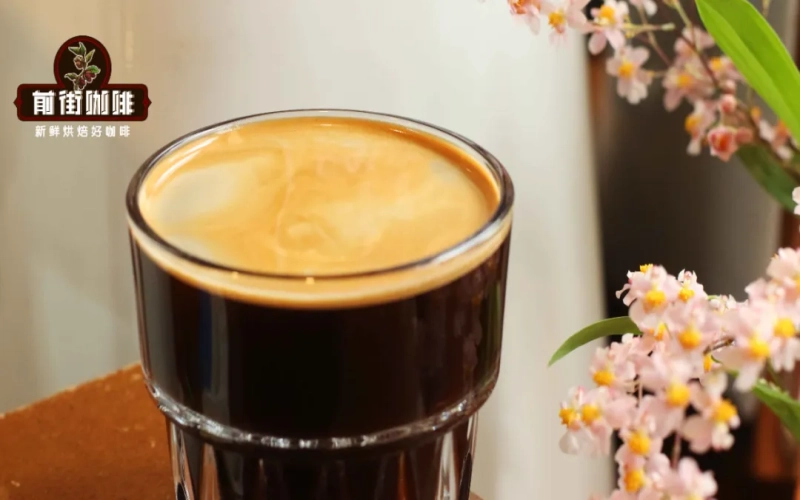
Is Americano Really Black Coffee? Explaining the Differences Between Espresso Diluted with Water and Drip Brewing, and the Reasons Behind the Price Gap
Americano is almost ubiquitous in daily life, but is it actually black coffee? Why is it that even though it's called the same "Americano," the price can range from a few yuan to dozens of yuan, and it can even come with free refills? This article starts with defining the concept, sorting out the multiple meanings of Americano in different contexts, comparing the differences between the two mainstream methods—diluting espresso with water versus brewing with a drip machine—in terms of flavor, consistency, and cost, and, using specific coffee beans such as Front Street Coffee Strawberry Candy espresso and Queen's Estate SOE, explains how the ingredients and extraction method determine the final performance of a cup of Americano. Finally, it explains the fundamental differences in positioning and ingredients among independent shops, chain brands, and free-refill Americanos. [more…]

Which Coffee Beans Should You Choose for Americano? A Full Analysis from Extraction Principles to Front Street Coffee Blend Recommendations
The quality of an Americano depends on three key elements: the coffee beans used for the espresso, the extraction method, and the ratio of espresso to water. This article starts with the most important factor—the coffee beans—to discuss the origins and evolution of Americano, compare the differences between American drip coffee and espresso diluted with water, and offer optimal drinking temperature recommendations for beans of different roast levels. The article will also introduce the Warm Sun espresso blend used in Front Street Coffee shops, as well as a recommended bean list including Front Street Specialty Blend, Commercial Blend, Classic Blend, Mozart, Bird of Paradise, Strawberry Candy, and Huakui SOE, helping coffee lovers choose the right beans according to their flavor preferences. [more…]
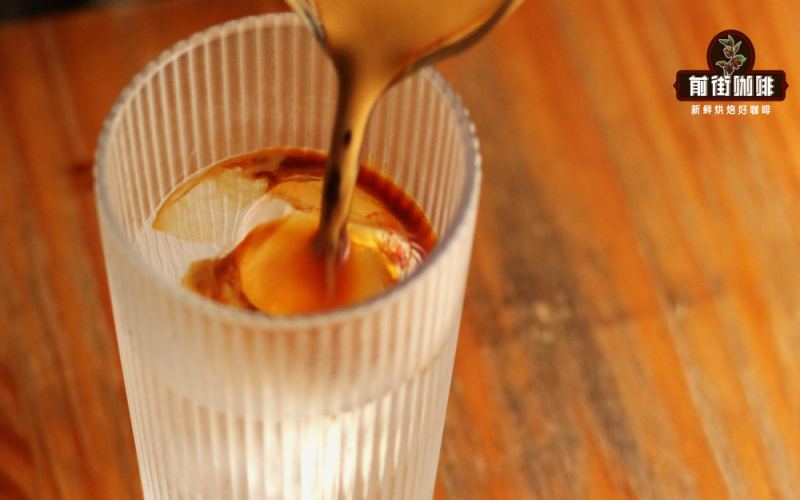
How to Make a Delicious Iced Americano: A Complete Guide from Espresso Ratios to Water-to-Ice Proportions
Americano is practically a standard offering at every coffee shop, but the flavor varies greatly from one shop to another. Some people find Americano too bitter, while others find it too weak—the key actually lies in the ratio of espresso to water. Front Street Coffee is often asked how to make iced Americano, so this time we're sharing the complete approach. The article first reviews the origins of Americano, then uses actual testing to compare the concentration and flavor performance at three dilution ratios—1:4.5, 1:6, and 1:8—to explain which ratio suits espresso beans of different roast levels. Next, it explains the difference between iced and hot Americano: melting ice will dilute the coffee, so you need to reduce the water amount and use large, hard ice cubes. Finally, it provides the specific brewing parameters for Front Street Coffee's Sunflower Warm Sun espresso blend, along with classic espresso blend recommendations suitable for Americano and latte. [more…]